 Futbols
 Basketbols
 Hokejs

EU proposes ban on subscription traps and fake ‘only one left’ claims online
The Digital Fairness Act, unveiled in Brussels on Wednesday, would outlaw manipulative sales tactics, require the full price to be shown up front and let consumers cancel subscriptions in one simple step.

Mārtiņš Lasmanis· Editor-in-chief
Prepared by the S Ziņas newsroom·
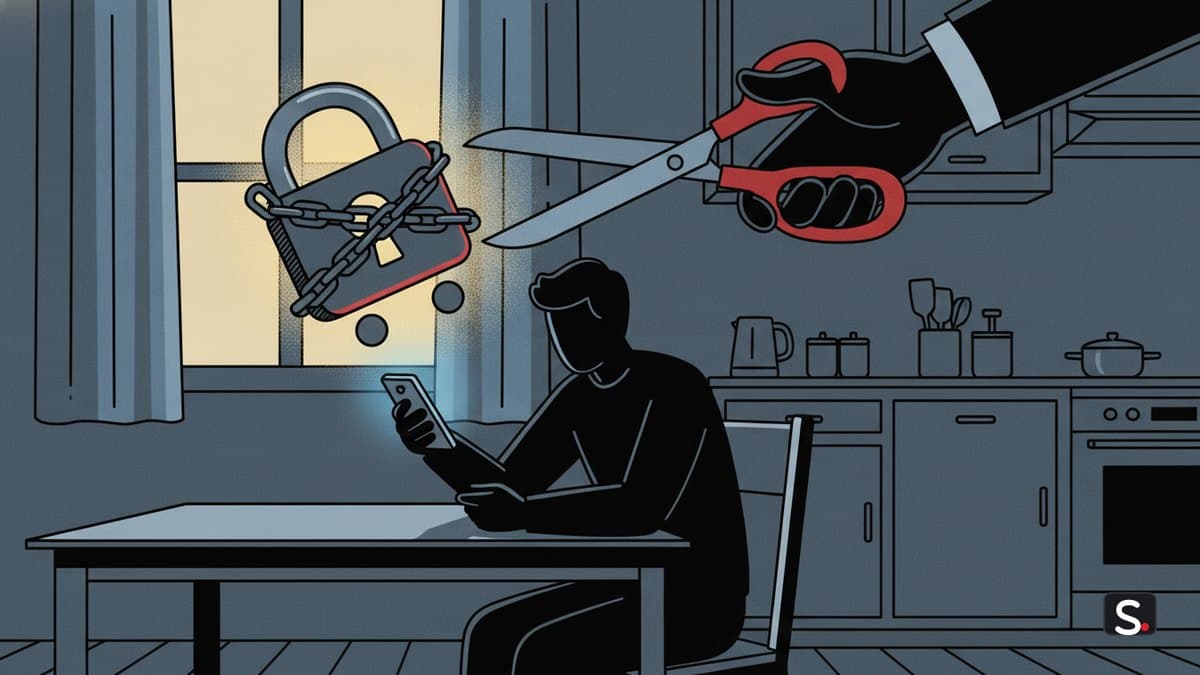
The European Commission on Wednesday, 11 November, proposed the Digital Fairness Act, which Michael McGrath, the EU commissioner for consumer protection, called the most significant reform of EU consumer protection rules in more than 20 years. The aim is to protect people shopping online as well as they are protected in a shop.
The current directive on unfair commercial practices would become a regulation that applies directly in every member state, including to online shops and digital services in Latvia. The Commission estimates that, together with the other changes, EU consumers could save up to €13.7 billion a year.
No more ‘only one left’ or ‘sad to see you go’
The list of banned practices would cover so-called dark patterns: false claims that a product is about to sell out (“Only 1 left”, “5 other customers are interested in this!”), shaming customers for saying no (“We’re sad to see you go”, or a button reading “I don’t like good deals”), and pre-ticked boxes or items added to the basket automatically.
Subscriptions and prices
Digital contracts and subscriptions would have to come with a simple, unambiguous way to cancel. Customers would get clear information before a free trial ends or a subscription renews automatically, and a trial could only become a paid contract after they actively confirm it. When problems arise, consumers would have the right to reach a human in customer service.
The full price, including all extra fees and taxes, would have to be shown from the start rather than added at the last step. For concert and sports tickets with dynamic pricing, sellers would have to show buyers in a virtual queue the current price in real time and the highest possible price. Ticket resellers would have to state the original price of the ticket, as well as the row and seat.
Games, influencers and children
Users could switch off features designed to be addictive, such as video autoplay and notifications unrelated to what they are doing. The real-money value of virtual in-game currencies would have to be shown, the currencies would be switched off by default for minors, and minors would also be protected from paid loot boxes with random rewards and from pay-to-win or pay-to-progress features.
Influencers would have to say clearly when they are paid to promote a product, and brands and agencies would share responsibility for that. Personalised advertising based on sensitive data, such as health, would be banned on all websites and apps, and companies could not show higher personalised prices to minors or vulnerable consumers.
Who would enforce it, and when
Alongside the act, the Commission proposed a revision of the Consumer Protection Cooperation Regulation. Where a breach affects consumers in at least two-thirds of member states, home to at least two-thirds of the EU population, and the company is not a small or medium-sized business, the Commission itself could investigate and impose fines of up to 6% of worldwide annual turnover. Other cases would remain with national authorities; in Latvia that is PTAC, the Consumer Rights Protection Centre.
The plan is only a proposal for now. To become law, it must be approved by the European Parliament and by member state governments in the Council of the EU.
Read also

Comments
No comments yet. Be the first!