 Futbols
 Basketbols
 Hokejs

BMI alone misses obesity in up to 9% of adults, study finds
Doctors tested a new way to diagnose obesity that combines body mass index with waist measurements and organ function tests.

Mārtiņš Lasmanis· Editor-in-chief
Prepared by the S Ziņas newsroom·
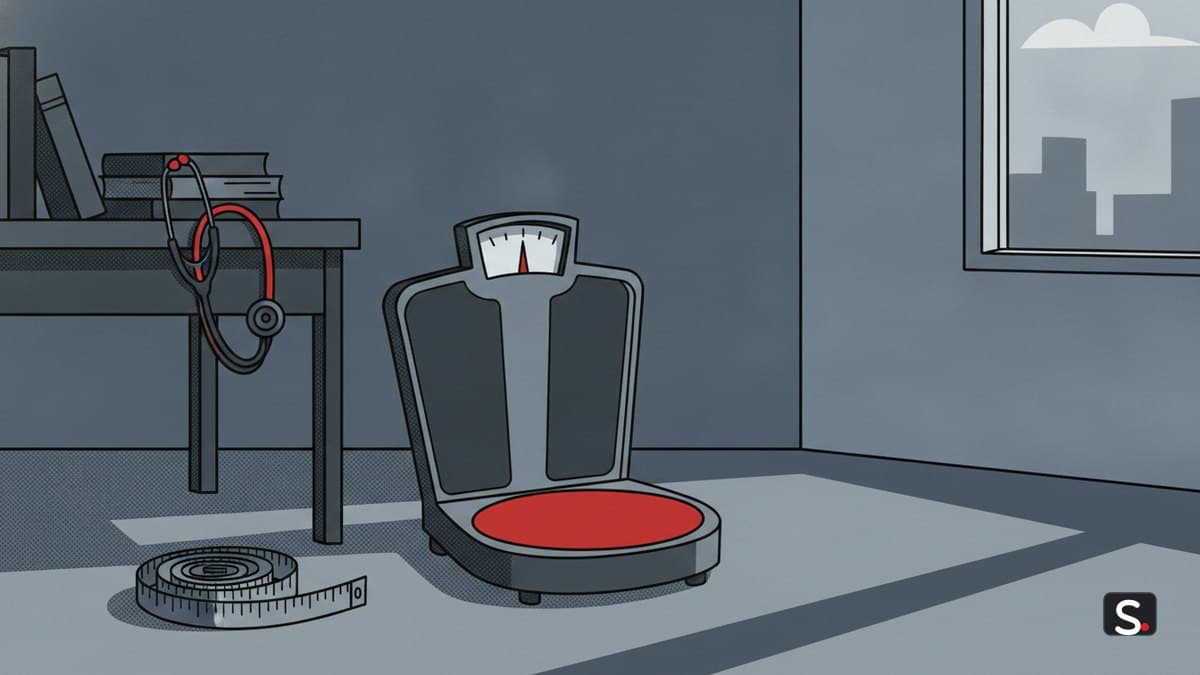
Body mass index (BMI) on its own misses obesity in 5–9% of adults and wrongly diagnoses it in as many as 3%, according to a new analysis reported by The Guardian on 11 November. The authors say BMI should be combined with other body measurements and organ function tests.
“This misclassification can account for tens of millions of people, so the inaccuracy of BMI is a big problem at scale and also for individuals,” said Francisco Rubino, a professor of metabolic and bariatric surgery at King’s College London.
How BMI works
BMI is calculated by dividing weight in kilograms by height in metres squared. A score of 25 to 29.9 counts as overweight and 30 or more as obese. Doctors have long considered it a blunt measure that misses some people with excess body fat and wrongly labels some healthy people.
What the researchers propose
In the study, published in the journal Nature, Rubino and his colleagues used the health records of more than 800,000 people in the UK, the US, China and Spain, following them for up to 15 years. They tested an approach that Rubino and other experts proposed last year in a report by a commission of The Lancet medical journal. Under it, anyone with a BMI over 40 is considered obese, while for people with a lower BMI doctors check the waist measurement and the waist-to-height ratio. In most countries a raised waist measurement means more than 102cm for men and 88cm for women.
In a second step, doctors separate clinical obesity, where excess fat is already impairing organ function, from pre-clinical obesity, where it is a health risk but has not yet caused problems. Under the new definition obesity rates rose only slightly overall, and only a quarter to a third of people with obesity, or 5–10% of the population, had the clinical form and a substantially higher risk of death. Of those with pre-clinical obesity, 80–90% did not develop the disease over the next 10 years.
The approach is more complex for doctors, but Rubino said obesity should be diagnosed individually so that patients get the best treatment, whether lifestyle advice, GLP-1 weight-loss drugs or surgery.
Read also



Comments
No comments yet. Be the first!