 Futbols
 Basketbols
 Hokejs

Latvian food prices fall 5.4% but are likely to rise next year, finance ministry says
Cheaper food held Latvia’s annual inflation at 3.1% in October, but the finance ministry warned that high energy costs will eventually reach supermarket shelves.

Mārtiņš Lasmanis· Editor-in-chief
Prepared by the S Ziņas newsroom·
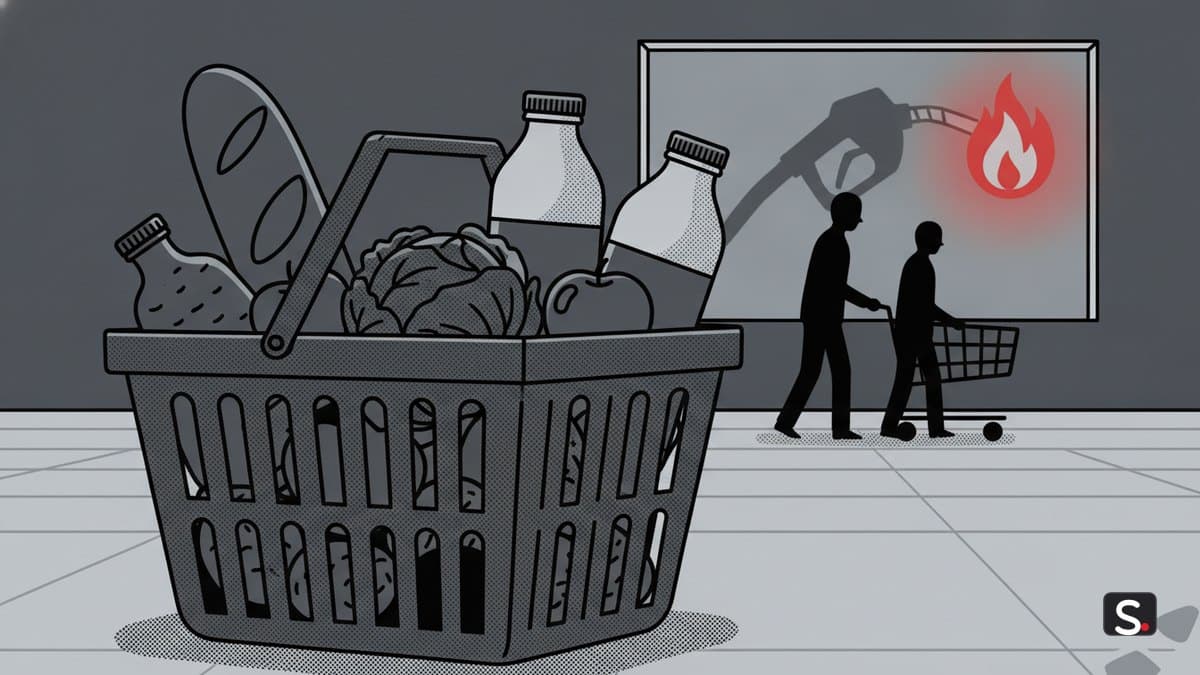
Food in Latvia was 5.4% cheaper in October than a year earlier, but the period of falling grocery prices may soon end, Latvia’s finance ministry warned on Wednesday, 11 November. The ministry was commenting on October consumer price figures from the Central Statistical Bureau.
Overall, prices in October were 0.4% higher than in September and 3.1% higher than a year earlier. Electricity, heating and air fares drove the monthly increase, while fuel, housing services, tobacco and leisure pushed up prices most over the year.
Fuel up, food down
Higher fuel prices accounted for almost half (45%) of annual inflation. Diesel cost an average of €2.079 a litre at filling stations in October, up 38.1% on a year earlier, and 95-octane petrol €1.932 (+27.9%). The ministry said a cut in excise duty from 1 October had held prices back, but rising oil prices in October cancelled out the effect.
Food prices in Latvia have been falling since April, and the decline has deepened every month: 4.8% in September and 5.4% in October. The ministry stressed that prices fell in almost every food group, not only in those that have carried a reduced VAT rate since 1 July. That took 1.1 percentage points off overall inflation.
Why food may cost more next year
The ministry expects food to keep getting cheaper year on year until the end of 2026, but said a rise next year was likely. The UN Food and Agriculture Organization’s world food price index fell 1.2% in October from September but was 5.9% higher than a year earlier. Prices charged by Latvian food producers in September were only 1.6% lower than a year earlier, the smallest fall in four months, and 0.6% higher than in August.
“Fuel and gas prices are significant cost components in growing, processing and transporting food,” the ministry said, adding that the longer energy stays expensive, the more it will feed into other goods and services. It expects annual inflation to stay around 3% in November and to pick up from December.
Read also


Comments
No comments yet. Be the first!