 Futbols
 Basketbols
 Hokejs

EU Innovation Fund backs Latvenergo green hydrogen project, with production planned from 2029
The second Latvian project picked by the fund is a low-emission cement plant in Ventspils. Neither has a final investment decision or a signed grant agreement yet.

Mārtiņš Lasmanis· Editor-in-chief
Prepared by the S Ziņas newsroom·
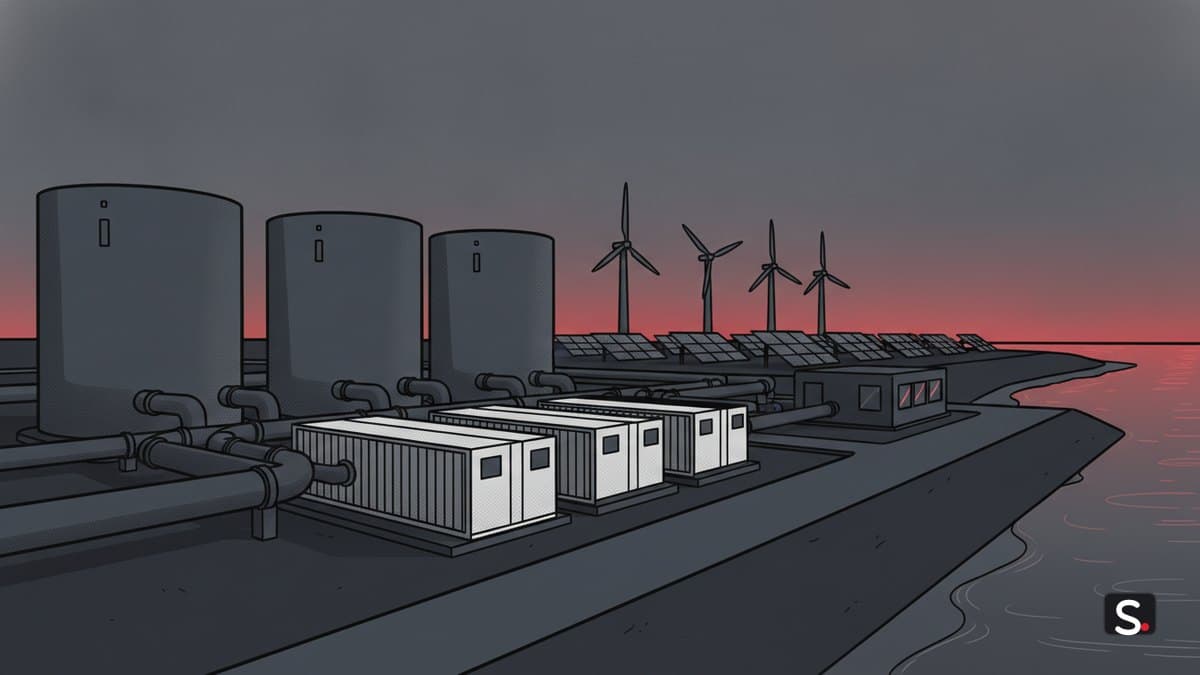
The EU Innovation Fund has approved an application from Latvenergo, Latvia’s state-owned energy company, for a green hydrogen project, the company’s communications director Andris Siksnis said in its electricity market review on 12 November. The project is due to run from 2029 to 2031.
The plan is to build an electrolyser that turns renewable electricity into hydrogen. Latvenergo intends to test high-pressure alkaline electrolysis on an industrial scale, a technology in which ceramic catalysts replace critical raw materials in the electrodes.
Hydrogen would be produced mainly in hours when electricity demand and prices are low, making better use of wind and solar power. Latvenergo would use some of it itself and supply the rest to transport and industrial companies. It estimates the project will avoid 16,144 tonnes of greenhouse gas emissions in its first ten years of operation.
Mārtiņš Čakste, Latvenergo’s chief executive, said the aim was not only to produce green hydrogen but to help build a hydrogen market in Latvia. The company is asking potential buyers and traders to come forward so it can gauge demand and delivery options.
Still to be agreed
The project is still at the evaluation and contract stage, so its total cost and funding terms are not yet known, and no final investment decision has been taken. Latvenergo must first sign a grant agreement and settle technical conditions with CINEA, the EU’s climate, infrastructure and environment executive agency.
A cement plant in Ventspils
Latvia’s Ministry of Climate and Energy said on 11 November that the fund had selected 77 of 358 applications from 23 European Economic Area countries, with €3.4 billion in support in total. Two of the projects are in Latvia: besides the hydrogen scheme, a plant in Ventspils, a port city in western Latvia, that could make up to 500,000 tonnes a year of supersulphated cement. Producing it can cut CO₂ emissions by more than 90% compared with conventional cement.
Until now the only Latvian company with an Innovation Fund grant was Aerones, which received €4.4 million in 2023 to scale up production of robots that repair wind turbine blades. The fund is financed from the EU emissions trading system; the European Commission plans to open its next calls in early December.
Read also




Comments
No comments yet. Be the first!