 Futbols
 Basketbols
 Hokejs

Rinkēvičs says pace of government talks is measured, sees no cause for concern
Latvia’s president noted that past governments have been approved anywhere from a few days after parliament first met to late January, and said a week either side of the national holiday was not decisive.

Mārtiņš Lasmanis· Editor-in-chief
Prepared by the S Ziņas newsroom·
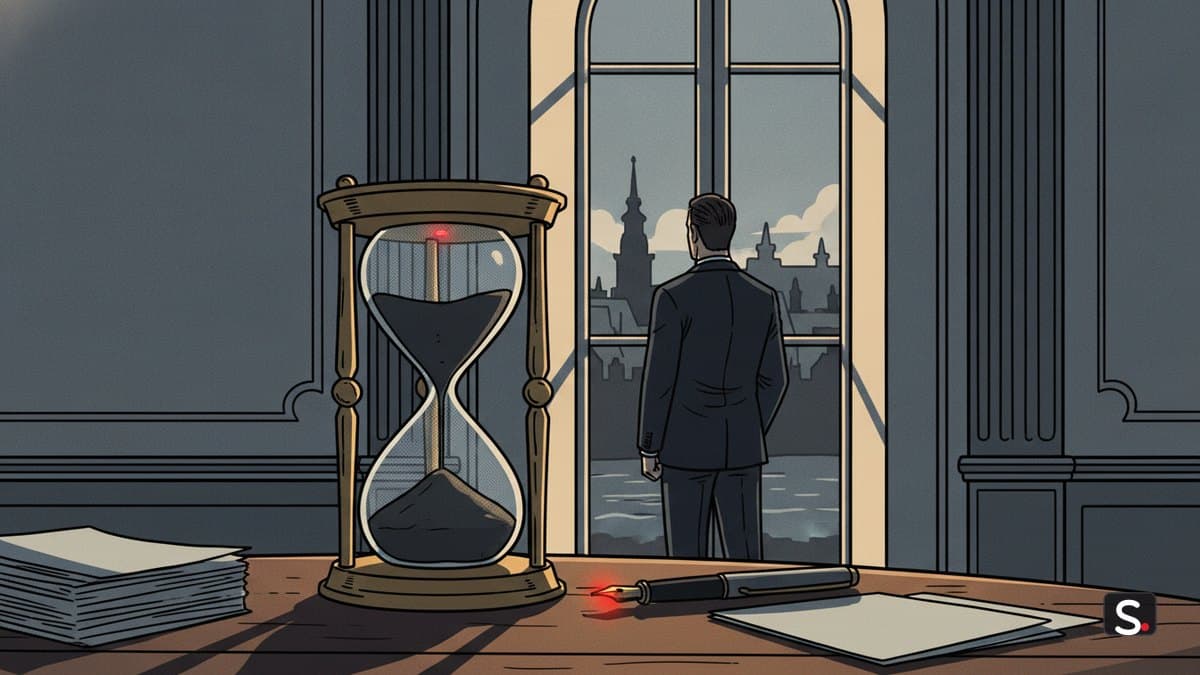
Latvia’s President Edgars Rinkēvičs said on Thursday that talks on forming a new government were moving at a measured and satisfactory pace. “The process of forming the government is normal and satisfactory. The pace is measured. I see no grounds for any kind of concern,” he told reporters after meeting Edvards Smiltēns of United List, speaker of the Saeima, Latvia’s parliament, LSM, the Latvian public broadcaster, reported.
Where the talks stand
Rinkēvičs asked Andris Kulbergs, the outgoing prime minister, to form the new government after his United List won 41 seats in the 100-seat Saeima. Kulbergs was formally nominated on 4 November, the day after the new parliament first met. Several rounds of talks with potential partners have taken place, but Kulbergs has not yet said which parties will join his coalition. A minority government also remains possible.
Not the first long wait
The president noted that Latvian governments have been formed at very different speeds: some were approved in late January, some in mid-December and some just days after a newly elected Saeima first met. He said the government and the parliamentary committees would be in place before long. “Before or after the national holiday — a week either way — is not decisive,” Rinkēvičs said.
He said it was logical to form the cabinet first, as it would probably include newly elected MPs, and only then elect the Saeima committees, avoiding unnecessary reshuffles of their membership.
Smiltēns said it was the ninth day of government formation. He acknowledged that people may have been confused because Kulbergs had been the obvious choice for prime minister as soon as the preliminary election results came in. “The process is running its course; it is correct and well thought through,” he said. In the past, he added, governments were formed in a fight over posts and money for each party’s priorities, while now potential partners were being asked what they were prepared to give up to deliver the changes the prime minister-designate has in mind.
Read also

Comments
No comments yet. Be the first!